

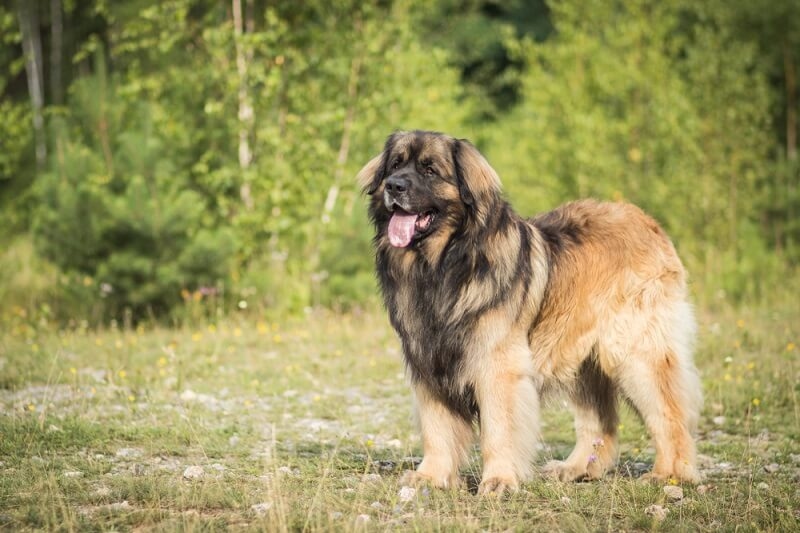
Bringing home a big dog feels exciting, a little overwhelming, and honestly, pretty magical. Large dog breeds have this calming presence that fills a room even before they plop onto the sofa and give you that classic gentle-giant look. But living with them comes with its own set of surprises. Some are charming, like how a Newfoundland leans in for affection, and some are tricky, like when a Great Dane thinks it’s still a ten-pound puppy. This guide walks you through everything you should know before welcoming one of these beautiful giants into your home, whether you’re considering a Saint Bernard, a Rottweiler, or an Irish Wolfhound. Think of it as a friendly chat mixed with info you’ll actually use.
Large dog breeds can warm your heart but also challenge your patience. Before bringing one home, it helps to understand their personalities, needs, and quirks. You know what? Many people imagine only size, but their behavior, instincts, and lifestyle needs matter just as much.
Most big dog breeds, like Great Danes and Bernese Mountain Dogs, have surprisingly calm personalities. They act gently and are friendly, even around kids. But there’s a twist. Many of them forget how large they are.
Not all large breed dogs are high-energy. Some, like Irish Wolfhounds, prefer shorter bursts of activity. Others, like Alaskan Malamutes, have the stamina of a marathon runner. Matching energy levels with your household lifestyle is key.
Large family dogs, such as Labradors and Golden Retrievers, easily bond with children. Their patience can surprise you. Still, every household is different. Homes with toddlers might need slow introductions, while homes with older kids can enjoy more active play sessions.
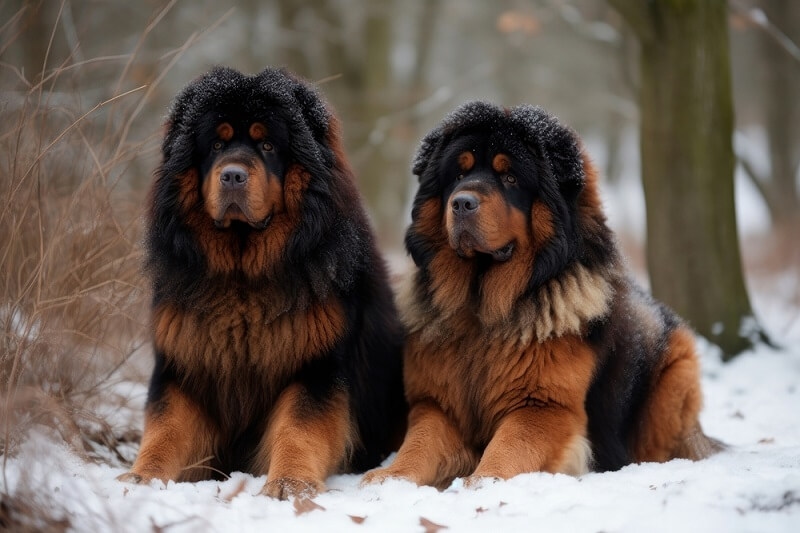
Bringing a big dog into a tiny living space isn’t impossible, but it needs thoughtful planning. Big dogs don’t just take up physical room; they take over every corner with their presence, toys, beds, and sometimes their stubborn habits.
People often assume that large dogs need huge houses, but that’s not always true. Great Danes, for example, are famous couch lovers. What they truly need is space to stretch, stand, and move comfortably without bumping into furniture every five seconds. A small apartment can work if you manage the layout well.
While some giant dog breeds like Saint Bernards and Newfoundlands enjoy lounging, they still need regular exercise. Access to a yard helps, but long daily walks can do the job too. A fenced yard, even a modest one, gives a big dog a sense of independence.
Even the calmest big dog may accidentally scratch furniture or shift a chair by leaning on it. You’ll notice fur everywhere, especially during shedding seasons. A good vacuum becomes your best friend.
Health care for bigger dogs is a category of its own. Their size influences everything: diet, grooming, vet visits, and even lifespan. Here’s the thing. The more you understand their needs, the easier it becomes to keep them healthy.
Large dogs are prone to hip dysplasia, arthritis, and joint issues. Breeds like German Shepherds and Rottweilers often experience early signs. A supportive dog bed, controlled weight, and gentle exercise protect their joints.
It’s tough to accept, but many of the biggest dog breeds have shorter lifespans. Great Danes and Irish Wolfhounds may live around eight to ten years. This doesn’t make the journey any less meaningful. If anything, it pushes families to treasure every moment.
Feeding a giant dog sounds simple at first, right? Big dog equals big meals. But here’s the thing: it’s not always that straightforward. These large companions definitely eat more than smaller breeds, yet tossing unlimited food in their bowl can do more harm than good. Their bodies work hard, and they need meals that keep their bones steady, muscles strong, and joints supported.
A few things matter more than you’d expect:
You know what? Most owners mention that once they switch to the right diet, their dogs move smoother and seem happier. So feeding becomes less about quantity and more about thoughtfulness.
When a dog grows tall enough to nudge your arm for attention or heavy enough to pull you across the driveway, training suddenly becomes a priority. It’s not about strict rules; it’s about living comfortably together. Big dogs thrive when the household has clear expectations, even if those expectations are as simple as “don’t jump on guests” or “wait at the door.”
It’s funny how a Great Pyrenees puppy looks harmless and fluffy, yet within months can outweigh a teenager. That cute puppy tugging on the leash turns into a powerful adult who can accidentally pull you off balance. Teaching commands early keeps things smooth.
Essential basics include:
Let me explain: these aren’t just “obedience words.” They’re your everyday tools. They help during walks, vet visits, and playtime in the yard. And once your dog understands them, life feels easier for everyone.
Some large breeds, like Cane Corsos and Boerboels, have a natural protective streak. It doesn’t mean they’re aggressive; it just means they’re aware. Introducing them to different people, textures, sounds, and other dogs helps shape a balanced mindset.
A few simple habits go a long way:
Honestly, the more positive experiences they rack up, the easier adulthood becomes.
Bringing home a large dog turns your life into a fuller, richer experience. Their size might take you by surprise, but their affection, loyalty, and goofy charm make it all worth it. If you prepare well, choose the right breed, and give them the care they deserve, they’ll give you years of companionship that feels almost magical.
Breeds like Labrador Retrievers, Golden Retrievers, and Newfoundlands make excellent family companions due to their gentle and patient temperament.
Not always. Some big dogs are calm indoors as long as they get daily exercise. Great Danes are a good example of apartment-friendly giants.
They aren’t necessarily harder, but training early is essential. Their size makes good manners more important than with smaller dogs.
It depends on the breed, age, and daily activity. Most require nutrient rich large breed formulas to support their joints and muscle health.
This content was created by AI