

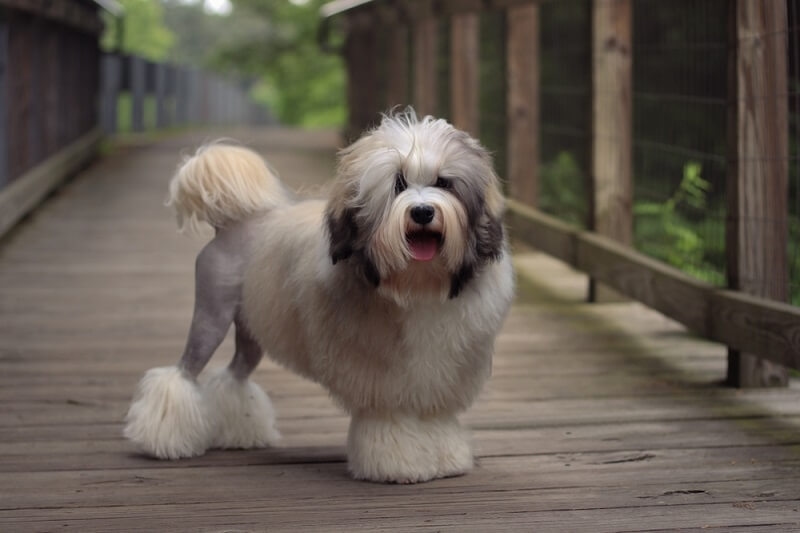
Choosing the right pet gets tougher when allergies pop up at home, and here’s the thing. Many families turn to hypoallergenic dog breeds because these pets shed less and release fewer allergens. When selecting the best hypoallergenic dogs, it's helpful to understand how non-shedding dog breeds and allergy-friendly dogs behave in real homes. What this really means is that pet lovers can enjoy life with animals without endless sneezing. Some people even choose hypoallergenic puppies early so that the training and bonding can start fresh. With proper care and informed decisions, dogs for allergy sufferers become trusted friends that fit seamlessly into daily routines.
In this guide, you will learn about how the hypoallergenic dog breeds can be beneficial for reducing allergy symptoms, which hypoallergenic dog breeds are suitable for families with children, what grooming products work best when caring for hypoallergenic dogs, and how to find the right puppy for your energy and lifestyle.
Hypoallergenic dog breeds may sound like a miracle cure for those with allergies, but they are not. Hypoallergenic dogs produce fewer allergens, shed less hair, and trap their dander more effectively than other breeds, thus decreasing the incidence of allergic reactions to hypoallergenic breeds among allergy sufferers. Allergy sufferers will soon need to decide how much hair their dog sheds (i.e., whether they want a low-shedding coat).
Here are common reasons they help:
Let’s break it down. Proteins in saliva and skin flakes cause some dog allergies. Since non-shedding dog breeds retain their hair longer, fewer flakes are likely to float around the home. It’s not perfect, but it’s a helpful starting point.
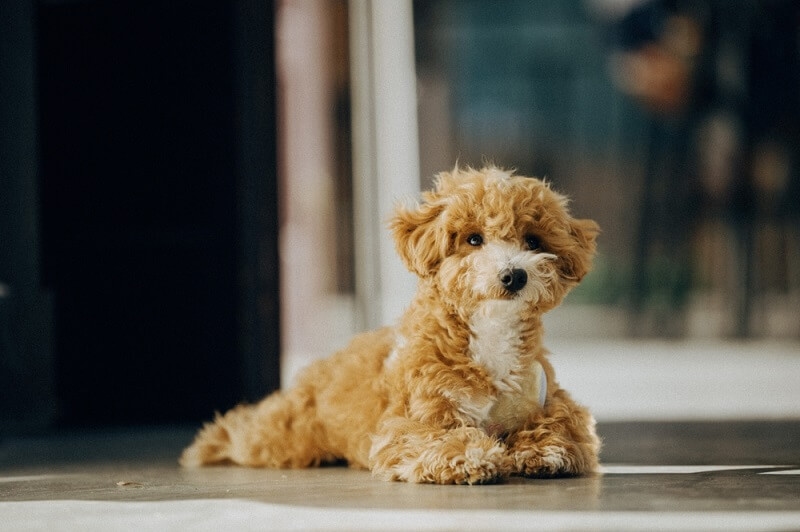
Families searching for the best hypoallergenic dogs usually look for pets with stable temperaments, soft coats, and easy care routines. Even small homes can welcome many of these pups without worry.
Popular allergy-friendly dogs include:
These breeds stay popular because they handle grooming well, stay friendly toward families, and offer predictable coat types. Each one fits better with different households, so learning about their needs helps pick the right match.
Non-shedding dog breeds help keep floors and furniture free of tumbleweeds of hair. When the home stays cleaner, allergy symptoms tend to decrease. Here’s the thing. Even though these dogs shed less, grooming remains essential.
Benefits include:
What this really means is that the home feels calmer, and less time is spent on constant vacuuming.
Not all hypoallergenic dog breeds need big yards. Many allergy-friendly dogs remain calm indoors and adapt easily to small apartments when given sufficient exercise.
Breeds that do well in smaller homes include:
These dogs still need walks and toys but stay happy without large outdoor spaces.
Some people think hypoallergenic puppies stay calm, but every breed is different. Energy levels vary, and choosing the right one helps prevent stress later. When searching for dogs for allergies, matching activity levels with family lifestyle matters more than just coat type.
For example:
Picking a puppy with the right temperament supports long-term comfort.
Good grooming habits make hypoallergenic dog breeds even more allergy-friendly. Since their coats grow longer and hold hair in place, brushing reduces loose strands.
Grooming tips include:
These small steps help non-shedding dog breeds stay fresh and reduce allergies.
Training helps every pet feel safe, but allergy-friendly dogs often settle faster when routines stay steady. Since hypoallergenic puppies require guidance early on, simple rules can become lifelong habits.
Helpful training ideas:
Here’s the thing. Calm animals shed fewer stress-related skin flakes, helping families with allergies feel better.
Different breeds come with different coat textures. This matters because some coats retain allergens more effectively than others. Long, curly, or wavy coats catch more hair and release fewer flakes into the room.
Common allergy-friendly coat types include
Matching coat type with time for grooming keeps care simple.
People choose hypoallergenic dog breeds for many reasons. Some individuals have mild allergies and only experience a slight reaction. Others deal with more symptoms and need careful planning.
Homes that benefit most include:
What this really means is these dogs open the door for families that thought pet ownership wasn’t possible.
Every dog needs healthcare, and allergy-friendly dogs are no exception. Some require eye care, ear cleaning, or joint support. Keeping these pets healthy helps control dander and reduce shedding even more.
Simple health steps:
Strong health means cleaner coats and happier pets.
Many hypoallergenic dog breeds love staying around other pets. They adjust well when introduced slowly. Good social behavior helps lower stress and maintain strong coat health.
Tips for adding these dogs to multi-pet homes:
Stress-free homes make it easier to manage allergy symptoms.
Picking hypoallergenic puppies takes thought. Meeting parents helps the family know the coat type and temperament. Watching behavior helps find confident pups that adjust well.
Things to notice:
Healthy dogs are adult dogs.
Hypoallergenic dog breeds provide comfort, cleaner air, and friendly companionship for families with allergies or sensitivities. With proper grooming, innovative training, and thoughtful breed choice, allergy-friendly dogs bring joy into homes without endless sneezing. These pets prove that allergies don’t have to stand in the way of happy dog ownership.
No, but they release fewer allergens, which helps many families feel better.
They still require regular brushing and trims because their coat grows continuously.
Puppies can still elicit reactions, but proper grooming and training can help mitigate them over time.
Toy Poodles, Maltese, Shih Tzus, and Yorkies fit well in compact spaces and shed less.
This content was created by AI