

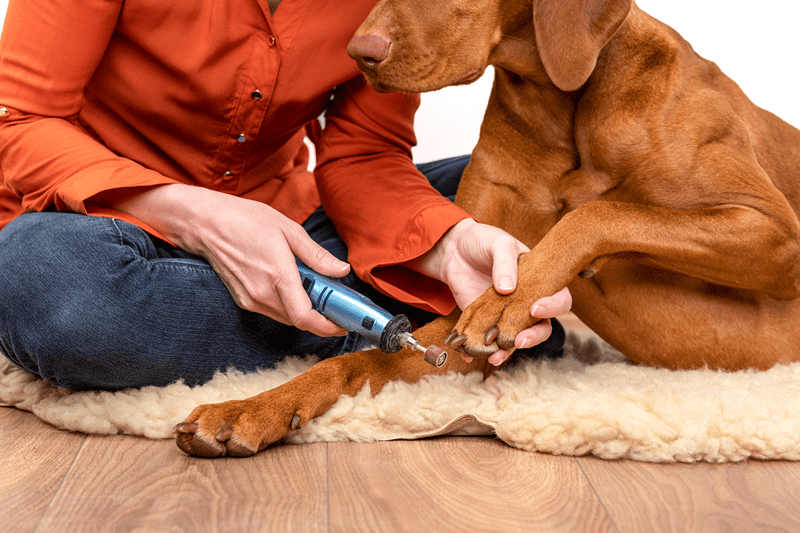
Dog care is not only about feeding, bathing, and regular walks; the care of their paws is also important. Probably the most underestimated aspect in treating your dog's paws is regular dog nail trimming. Long nails can lead to discomfort, problems with posture, painful splitting, and even the inability to move around. To many pet parents throughout the United States, trimming dog nails is a daunting task. But if you learn techniques, tools, and methods, the process will become soft and stress-free for both of you.
From how to trim dog nails to cutting dog nails safely, to creating a calming routine that will support their long-term nail care, this comprehensive guide breaks down everything you need to know. Whether you are a new dog owner or just trying to enhance your current routine, these dog nail care steps and tidbits will help you master clipping dog nails without fear.
To many U.S. households, dogs are considered full-fledged family members, and just like humans, they do need regular grooming habits. However, one of those things that gets overlooked with regard to the dogs is dog nail trimming until their nails are visibly too long. Nevertheless, there are many reasons why dogs need regular nail care:
Long nails conjoin dogs into unnatural treads. These result in the realignment of bones in their feet and legs, hence straining them. Eventually, it can result in their joints giving way and even back pain.
Long nails have a tendency to get caught in the carpet, blanket, or even grass. A sudden tug can lead to painful cracks or breaks that may require veterinary attention.
Tall hardwood floors, carpets, and upholstery take a beating when nail tips are not maintained. Regular trimming of the dog nails will protect your home from totally unnecessary scratches.
Touching nails interferes with grip and walking confidence. Proper care for the dog's paws allows it to move around comfortably and safely during any instance of daily playing or exercise.
Most veterinarians in the United States recommend nail trimming for dogs every 3-4 weeks. However, the exact timing and frequency depend on:
Dogs that are walked more frequently on hard ground will eventually file their nails down naturally. They require less frequent dog nail care for this reason. Indoor dogs or small breeds usually need the most attention.
Good rule of thumb: every time you hear the clicking on the floor, it is time for trimming the dog nails again.
Before clipping dog nails, it is essential to understand the general anatomy of the nail, particularly to avoid the "quick," which is the pink inner part containing nerves and blood vessels.
For Light Nails: The quick is quite easy to view through the nail, hence making the work of cutting dog nails quite safe.
Dark Nails: This may be a bit more intimidating because the quick is invisible. The trick is to trim small amounts at a time and look for an inner chalky white ring inside the nail, which signals that you are getting close to the quick.
This, in turn, brings you the awareness of how to practice dog nail trimming without hurting or causing unnecessary bleeding.
Professional groomers agree: proper use of the right tool supports efficiency and a no-stress situation in dog nail care. Here are a few tools for cutting dog nails safely.
Nail Clippers, Scissors, or Guillotine Style
The most common utensils employed for dog nail trimming are nail clippers.
Grinding Nails
A grinder smooths and trims gradually and is ideal for dogs that are afraid of clippers. Many pet parents find grinders helpful in clipping dog nails with more control while learning.
Styptic Powder
A necessary product for all pet owners in the unfortunate case of the quick being cut by accident, to stop bleeding.
Treats and Distraction Tools
The trimming of dog nails is made comfortable through positive reinforcement.
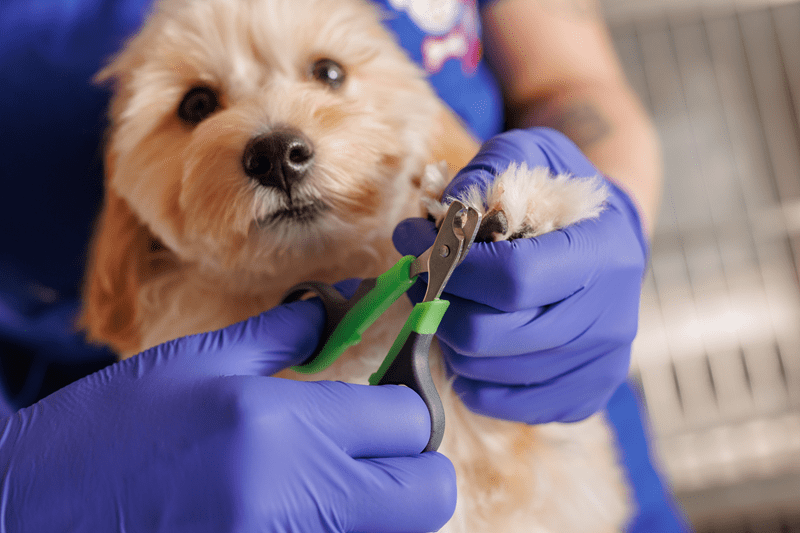
Whether using clippers or a grinder, the goal remains the same: to make the pet feel at ease. Here are expert-approved tips for trimming dog nails safely:
During cuddles, touch the paws of your dog. This desensitizes them and makes later dog paw care easier.
Even with a routine, some conditions need speedier action:
These are the indications that it's the proper time to perform dog nail trimming immediately or to see a groomer or veterinarian.
Sometimes, no matter how well one prepares, a dog simply won't cooperate. Professional groomers are trained in the safe clipping of dog nails for all temperaments.
You should consider visiting a professional if:
Groomers also provide related dog paw care, such as nail cleaning, checking the skin of the paw pads, and applying moisturizer to soothe dry skin.
Healthy nails are only one part of dog paw care. To keep paws comfortable:
Consistent paw maintenance allows a dog to have overall comfort and makes it easier to trim their nails in the long run.
These are the ways you can avoid these common mistakes and make safer, stress-free nail trimming for your dog:
A few simple adjustments can make the experience of cutting dog nails safely much easier and prevent unnecessary cuts and injuries.
This is not merely a grooming issue, but rather an important part of your dog's health. The key to successful dog nail trimming is patience, proper tools, and a cool approach. Any pet parent can learn how to clip their dog's nails in support of long-term dog nail care.
With practice and handling regularly, within an environment of zero or minimum stress, your dog will begin feeling safe and relaxed. The bottom line is that proper attention to your dog's paws, as part of a routine in their life, guarantees they walk in comfort, stay active, and results in better health for them. Healthy paws really do equate to happier adventures for both of you.
Most dogs need dog nail trimming every 3–4 weeks, but this timeframe is influenced by activity level.
Of course, it is possible for most dog owners to trim nails without having their dog injured, provided the owners have patience, the right tools, and do the trimming gradually.
Try desensitization, slow introductions, treats, or use a grinder instead. If necessary, the work of trimming the dog's nails can be safely performed by professional groomers.
This content was created by AI