

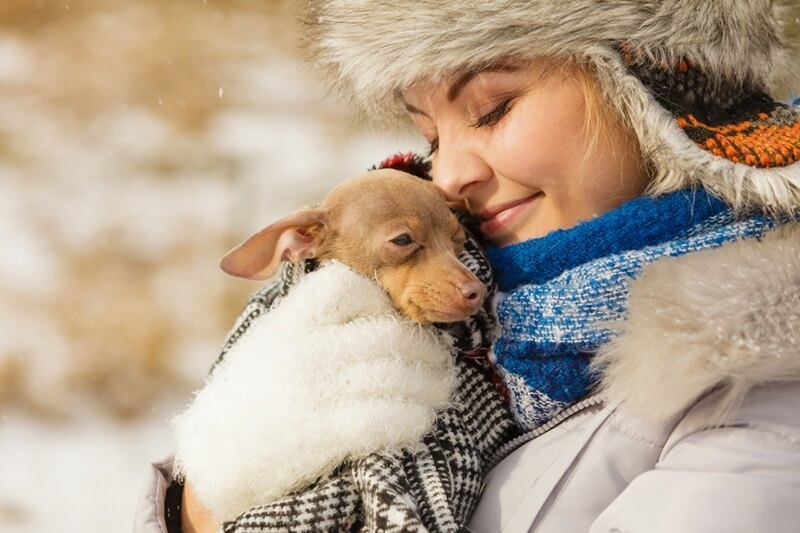
Winter could be a great season to have fun, but it is the same season that brings problems to our pets. Dogs and cats are the ones to suffer from cold stress, dry skin, and a reduction of their activities when the temperatures drop. The aim of winter pet care is to facilitate maintaining their warmth, good health, and safety throughout the whole season.
Whether you have an active dog or a quiet indoor cat, it is still necessary to know what they need during winter. With good habits and the right focus, you can provide your pet with the care he needs during the chilly time of year.
Comfortable home surroundings are one of the basics in pet care in winter. Even when your house is warm, animals want to snuggle in comfortable places. Do not hesitate to use thick bedding, soft blankets, or beds at a higher level to stay away from cold floors.
Human heating sources, such as normal electric blankets or space heaters, are not suitable for use with pets. Animals could bite on cords, while an unattended fire might occur through overheating. Hence, it is better for pets to have warming methods that are approved by vets. By fulfilling such a simple condition, you will also be securing their comfort throughout the entire indoor rest.
Understanding pets' reactions to sudden changes in temperature is one big factor in cold-weather pet safety. Owners, therefore, need to look for physiological indications in their pets, such as shaking, being stiff, or not moving as they normally do. At the same time, these may be signals of discomfort or even hypothermia.
When temperatures are extremely low, limit the time your pet spends outside. People can hardly imagine that frostbite on ears, paws, and tails may occur in a very short time. Apart from checking weather conditions in general, make sure that you have noticed the wind and the moisture of the day as well before making a decision. An accurate comprehension of a situation enables good winter pet protection and gives pets the opportunity to avoid putting themselves into danger.
In winter, walks and outdoor play are still great for your pet, but certain dangers come along with that. Your pet may be uncomfortable with ice, snow, and salt.
These little measures help to enhance cold-weather pet safety, keeping pets warm and active during cold winter days.
Probably some pets will have to use more energy than others in winter to warm up their bodies. Changing the pet food to a more nutritious diet might be a way of long winter pet care. Nevertheless, beware of overfeeding since a lack of exercise may lead to obesity in your pet.
Water is an equally important matter in winter as it is in summer. Pets might drink less in cold months; therefore, one should always make sure that water is freely available. Water dispensers that are placed outside can quickly have water turning into ice; thus, you may want to think about insulated ones. Good food and access to water are both requirements for winter pet protection.

Regular grooming is still very much necessary in winter. Lots of owners think grooming is less required in cold seasons, but this assumption eventually leads to problems. Some of the useful grooming tips are:
Proper grooming in winter is a great bonus for overall pet care at colder times and makes their fur stay vibrant.
Winter brings quite a few unsuspected dangers. For instance, antifreeze is highly poisonous, and small doses can be very harmful to animals. So keep it safe away from pets, and spills should be cleaned immediately. There are also ice-melting chemicals that can irritate paws and, if licked, cause stomach problems.
At times, cats may hide under the car or near the warm engine. So always make sure to check your vehicle before starting it. Holiday décor, such as string lights and ribbons, can be tempting for pets to chew on.
Older dogs and cats usually have a harder time in winter, as low temperatures may intensify joint pains.
Some of the supportive ways to help a senior pet are:
Performing small changes in your pet’s winter care routine will make the cold season much more comfortable for aging pets.
A proper regimen is instrumental in keeping pets warm during the cold season. Because of the shorter days accompanied by less light, pets might become bored and restless when confined indoors. The use of interactive toys, puzzles, and easy training drills can keep them mentally and physically engaged.
In case your pet is nervous during storms or holiday noises, make sure he has a peaceful, quiet corner with cozy bedding. Besides physical safety, emotional comfort is an equally important part of winter pet protection, especially during busy seasonal periods.
With good plans for comfort and safety, both you and your pet can enjoy the winter season. When you ensure your pet’s safety in cold weather, stick to a regular routine, protect their paws, take care of their coat, and most importantly, keep them warm, you are giving them the best chance to stay healthy all through the chilly months.
Following useful winter pet tips will keep your four-legged friend safe, warm, and able to have fun with you over the winter season.
Look for shaking, tightly curling, slow-moving, or whining. All these are indications that your pet should be taken inside immediately.
Definitely, jackets or sweaters can be very useful to warm short-haired, small, or old pets while they are out for a walk.
Apply paw balm, dress your pet with boots, and, after every walk, remove salt and dirt from paws by wiping them with a towel or cloth.
Yes, it is better to limit baths in order to avoid dry skin, and you should always use gentle, pet-friendly winter shampoos.
This content was created by AI