

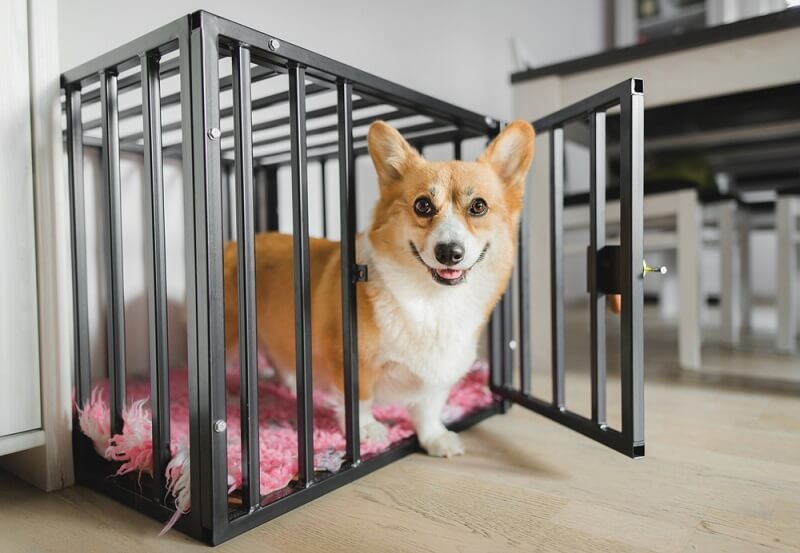
Dog crate training ranks among the most valuable canine skills for the long-term benefits it will have on both you and your dog. When done properly, crate training puppies, dog crate training, and utilizing positive crate training methods build a secure, calm space in which your dog can find comfort. Learning early the right crate training methods can help to avoid behavior problems, minimize stress, and create a pattern for lifelong success in your dog. This guide takes you through how to crate train, why it matters, and how you can make the process comfortable and rewarding.
Crate training allows your dog to have a specific area to be used when he needs to relax, unwind, and feel protected. Whether you crate train puppies or adult dogs, the crate becomes their personal retreat. Most pet parents think of a crate purely for travel or training purposes. Surprisingly, the advantages far outweigh that perception.
The earlier the puppy gets used to the crate, the better he will learn to respect his boundaries and form healthy habits of being alone. In crate training puppies, you're building trust for the environment and schedules. Early stages also help prevent accidents, anxiety issues, and destructive chewing.
The list of dog crate benefits goes on and on. Crates assist with potty training, reduce stress during travel, prevent mischief when unsupervised, support recovery during illness, and offer structure for hyperactive dogs. For puppies, crates instill discipline. For senior dogs, crates bring stability. For anxious dogs, crates deliver comfort.
The key to crate training depends greatly on patience, timing, and consistency. A crate should never be used as punishment. Instead, positive experiences must surround every step to encourage your dog into his or her new space willingly.
Before attempting to crate train with any of the methods below, first choose a crate based on your dog's size and temperament. A crate should allow your dog to stand, stretch, and turn without issues, but too much space can delay potty training because dogs will often use one corner as their bathroom.
Wire crates provide the best ventilation and visibility, whereas solid-sided crates provide a bit more privacy. Soft crates are perfect for traveling, but are not recommended for crate training puppies because they might chew their way out.
Set up the crate appropriately, as it provides the foundation for crate training. Start with soft bedding, a chew toy, and a T-shirt or blanket with your scent on it. Place the crate in a family area so he doesn't associate being crated with isolation. He needs to enter his crate feeling warm, comfortable, and secure.
Never force your dog into the crate. Use treats and praise to encourage exploration in the crate gently. Keep the door open initially so that your dog can go in and out freely.
Different dogs, different methods. Some dogs are suited for routine-based crate training methods, whereas others require gradual exposure. Whatever the method, consistency yields results.
Introduce Short Sessions
Pup starts with short crate sessions-5 to 10 minutes. Always stay near the crate to prevent anxiety. Gradually increase the time when your dog begins to relax inside.
Feed Meals in the Crate
Feeding your dog inside the crate reinforces positive associations. This method works super well for crate training puppies.
Practice calm exits
Dogs may pick up bad habits if they leave the crate with high energy. Teach them to be quiet before walking out. This instills in them some level of discipline, which prevents unwanted behavior.
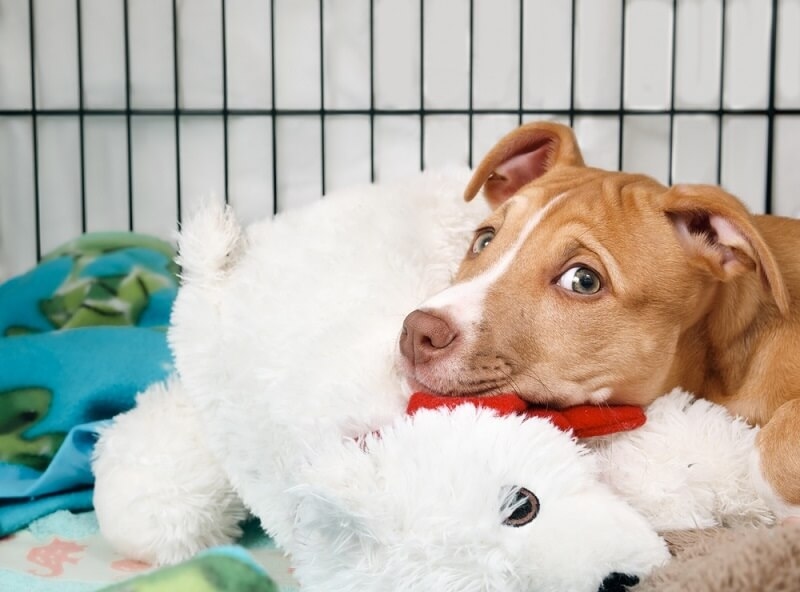
Positive reinforcement is the backbone of dog crate training. Any negative experience can reverse progress.
Reward Good Behaviour
Every time your dog willingly enters the crate, reward him with treats, affection, or praise; this strengthens their confidence and comfort.
Use Cues and Commands
Introduce simple commands, such as "crate," "bed," or "go in"; this develops a routine and guides your dog.
Avoid Using the Crate for Punishment
A crate is not a time-out area. In positive crate training, your dog should never relate it to fear or even scolding; instead, let it be a calm place.
This is among the most important questions pet owners have asked, since puppies don't have great bladder control timing issue.
Adult dogs can be crated for up to 6 hours, and this does depend on energy levels.
Remember, too much time in a crate upsets and stresses a puppy. Balance crate time against exercise, play, and affection.
Even the best-intentioned owners make crate training much harder than it has to be.
Mistake 1: Rushing the Process
Dog crate training takes time. Forcing your dog too quickly builds fear and resistance.
Mistake 2: Ignoring Exercise Needs
A tired dog adjusts more easily. Dogs may oppose the crate if they have built up energy without exercising.
Mistake 3: Using the Crate as Punishment
This defeats the whole purpose of positive crate training and upsets the building of trust.
Mistake 4: Selection of the Wrong Type of Crate
Comfort matters: your dog requires crates that are well-ventilated, safe, and roomy.
To make crate training last, it's something you need to incorporate into daily life.
Establish a Routine
Stick to the scheduled crate times, feeding times, potty breaks, and exercises.
Keep the surroundings calm.
Loud noises and stressful environments can weaken the comfort zone that your dog has.
Encouraging Positive Behavior
After successfully training your dog, you should continue to reward them for doing what is desirable in their crate. That will create a bond of trust between you and your dog, as your dog will associate good things with its crate.
Even though older dogs have different needs than younger dogs, they will also receive the same benefits from using a crate as younger dogs do. The crate provides an area of stability and a comfortable area in which to rest that does not cause discomfort or pain. It also serves as an area in which to limit overexertion. By utilizing gentle methods of crate training with older dogs, you can help them develop a renewed sense of security and comfort.
The concept is the same, but puppies require more patience and routine. Puppies learn everything from base one, while dogs have developed habits already. You will find success with both dogs and puppies through the use of positive methods when crate training. However, the methods used for training will depend on the dog's age and temperament.
Dog crate training makes for a safe, structured, and confident environment for your canine friend. From crate training puppies to new routine establishment or refinement of those already learned, the difference comes with the proper crate training technique, positive reinforcement, and consistency. With patience and the right approach, your dog will view the crate as a source of comfort and not as a confining tool. Enjoy the process, remain patient, and let your dog grow with trust and stability.
The establishment of a dog crate is done differently for each dog based on their age and personality.
Puppies usually take around 2-6 weeks to crate train, while older dogs tend to adapt more quickly to the crate training process. Consistent use of positive reinforcement and calm routines is essential to getting through this phase successfully.
Yes, crate training is one of the best methods for potty-training your puppy. Dogs don't like to make their resting space dirty, which makes it easier to schedule bathroom trips and limit accidents in the house.
For many anxious dogs, being in a crate makes them feel much safer because it excludes overstimulation. In other words, anxious pets learn to calm themselves by being positively crate-trained.
The training can be done by starting with short sessions, giving treats, feeding meals inside the crate, and avoiding any pressure on the puppy. Gradual exposure and positive crate training work best for new dog owners.
Yes, but each dog needs its own crate. A crate for each allows them their own personal space and can help avoid stress and/or competition. Crate them separately, training in a quiet, gentle manner to help them get used to and confident in their crates.
This content was created by AI