

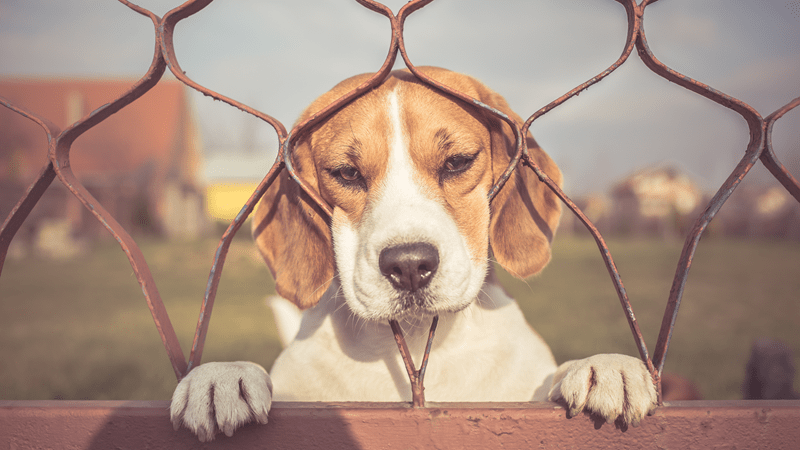
Separation anxiety in dogs ranks as one of the most common problems that millions of dog owners encounter on a daily basis. Dogs are considered social beings. Many dogs thrive on having someone around. But if, for instance, a dog becomes extremely distressed at every instance its owner leaves the house, it will have implications on the well-being and daily life of the whole family.
Dog separation anxiety has multiple expressions, ranging from whimpering and barking to destructive chewing, pacing, house soiling, and panic attempts at escaping. Thankfully, recent research and humane methods have made it possible to consider treating separation anxiety dogs and reduce fear and increase confidence.
Below is a guide on calming anxious dogs, tips on home alone dog training, and tips on dog anxiety solutions that will make a big difference for your relaxed and happy dog.
Before engaging in any kind of training, it would be useful to learn about why your dog might have separation anxiety. These are some factors that result in your dog panicking whenever you leave it alone:
Here are more causes.
U.S. pet owners have seen an increase in dog separation anxiety as people have gone back to office work. The dogs, who were once accustomed to 24/7 companionship, were now alone for several hours.
Canine rescue dogs can develop separation anxiety as a result of abandonment and inconsistent care. Puppies are often not taught to self-soothe. Without brief separation experiences, dogs will rely on a presence that never ends as they mature.
New dwellings, or even new things, can then more likely raise levels of anxiety about separation. Some dogs have abnormally intense relationships with a single person, so that mere separation becomes terrifying rather than boring.
Whatever the reason, with some training, gentle exposure, and proper treatment for separation anxiety, a mix of these things can significantly improve the life your dog leads.
Pet owners commonly confuse separation anxiety with bad behavior. True separation anxiety in dogs will demonstrate panicked behavior.
Common symptoms include:
Whether or not you personally observe these things on a regular basis yourself, your dog may benefit greatly from home alone dog training and some relaxing techniques.
Several of the best dog anxiety solutions recommended by experts and trainers for addressing dog separation anxiety have been listed below. These remedies can be implemented across the United States and will make dogs feel more at ease while they are left alone.
The gold standard technique for treating separation anxiety dogs would be carefully exposing them to being alone.
How to Do It:
Dogs are creatures of habit. As departure signals turn into stressors – reaching for the keys, putting on your shoes, and grabbing your purse – your dog realizes he will be left alone, and he panics.
Solution:
Being alone can be less stressful if you have comfort around. The “safe zone” for your dog would include these:
Research shows that dogs are more relaxed in an enclosed area, meaning an area they can predict. An enclosed area would be very conducive to relaxing an anxious dog.
The more rested he is, the less he will be capable of melting into an anxious position.
Recommended routine:
Exercise reduces cortisol, boosting a relaxing endorphin, and just puts your dog at an advantage for a calm alone time period-one of the simplest ways to cure separation anxiety.
There are several tools available that can help with separation anxiety dogs, and specifically with training.
These tools will not solve your dog’s separation anxiety issue on their own, but will assist with relieving symptoms and intensifying learning in relation to your dog’s training.
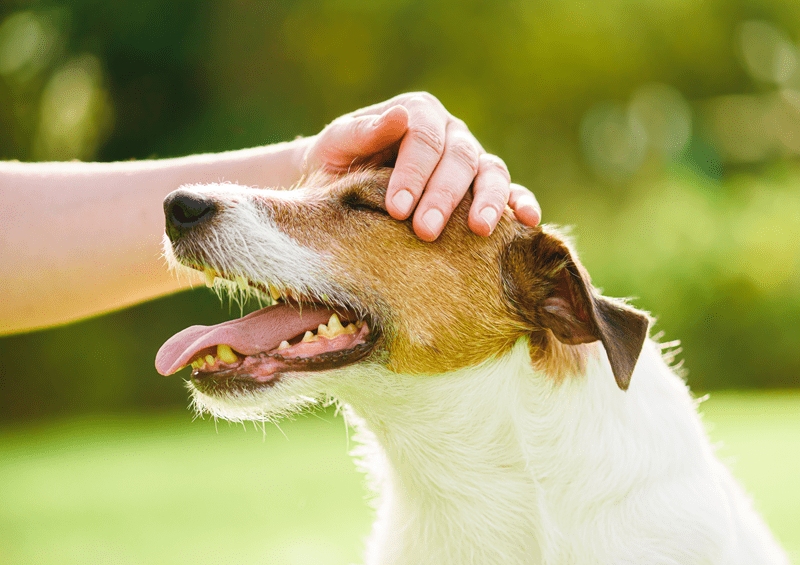
Greetings that have high energy increase fear. Rather:
It shows that comings and goings are an everyday event and not something that should be worried about, and it’s an essential technique for soothing an anxious dog.
Be independent even if you are remaining at home.
Examples:
It is with these that they develop resilience and confidence, both very critical factors with regard to dog training on staying at home alone.
When the dog goes into panicking fits, it may be very natural for people to hold them tight and comfort them, but it will increase their anxiety as well.
Rather:
It also benefits greatly in formulating long-term remedies for dogs with anxiolytic disorders and trains your dog on rewarding calm actions.
Your dog may require a professional trainer or animal behaviorist because your dog may be suffering from serious separation anxiety.
Professionals may recommend among the following for treating separation anxiety dogs:
The medicine does not "sedate" your dog, but keeps it from panicking so it can learn. U.S. vets recommend the most severe instances for use with training.
Solutions for dog anxiety can be achieved with advances in pet tech.
It becomes possible to focus on home-alone dog training based on actual behavior through monitoring.
Below are some of the most useful remedies for separation anxiety that dog trainers and vets have been using:
A combination of these remedies supports progressive movement towards emotional stability. Don’t punish your dog because it develops separation anxiety. Punishing an anxious response will increase the fear. It will escalate into more serious panic and will ruin trust.
Crate anxiety is something different and should not be introduced forcibly (likely to be traumatic). Only slow progress will make sure there is genuine and ultimate progress. By avoiding these, your plan for dealing with separation anxiety dogs will be humane, effective, and fear-free.
All dogs have the right to be assured and confident, even apart from the people they love. Regular dog training and efforts will make your dog learn to get rid of separation anxiety. Whether you’re employing structured exposure exercises, comfort rituals, independence procedures, or expert-guided separation anxiety solutions, every move you make leads your dog closer to a well-rounded and stress-free life. But with understanding and with patience, your dog can learn that being alone isn't scary - it's just a regular part of a predictable and loving routine.
It greatly depends on instances because while mild dog separation anxiety may be alleviated within weeks with regular dog training alone, more serious cases may need months.
Veterinarians sometimes prescribe some medical assistance that will be useful in relieving separation anxiety in dogs. This usually occurs with more extreme pets.
Calming treats, diffusers, and music will assist with progress. These tools will not solve the problem, but are useful supplementary tools with which dogs with separation anxiety will find training easier.
This content was created by AI