


Bringing home a puppy feels magical. The little paws. The zoomies. The nose bumps. The tiny mistakes on the carpet. The chewing on socks that were never meant to be chewed. New owners quickly realise that love alone isn’t enough. Puppies need structure. They crave guidance. They want to understand the world you’re inviting them into.
That’s where training new puppy routines come in. And no, it doesn’t have to be stiff or overly serious. Training is simply communication. You’re teaching your puppy how to live safely and happily in your world. And, honestly, they’re teaching you a thing or two along the way.
When people talk about puppy training basics, they mean the core skills every puppy needs. These skills help your dog stay safe, stay calm, and become a polite little companion.
The basics usually include:
These aren’t tricks. These are life skills. And with a little patience, your puppy can learn all of them surprisingly fast.
“Sit” is usually the first lesson, and for good reason. It teaches patience. It teaches control. And it becomes the foundation for nearly every other command. Teaching it is simple:
Praise matters as much as the treat. Puppies love your voice more than anything else.
Teaching “stay” can feel tricky. Puppies want to follow you everywhere. But with slow steps, they learn to pause.
Start with short distances. Reward quickly. Increase the time slowly. Never move too fast. Consistency matters here. And staying calm helps your puppy feel calm too.
“Come” can save your dog’s life. If a gate opens. If a leash slips. If your puppy gets distracted by something exciting. They must learn to return instantly.
Use a cheerful tone. Kneel down. Reward generously. Make your puppy feel like coming back to you is the best decision they ever made.
Puppies grab everything. Socks. Rocks. Shoes. Food wrappers. Random things you didn’t even know existed in your home. “Leave it” protects them from dangerous objects and keeps your home cleaner.
Train it with two treats. One hidden in your hand. One to reward after they ignore the first. Soon your puppy learns that ignoring temptation pays off.
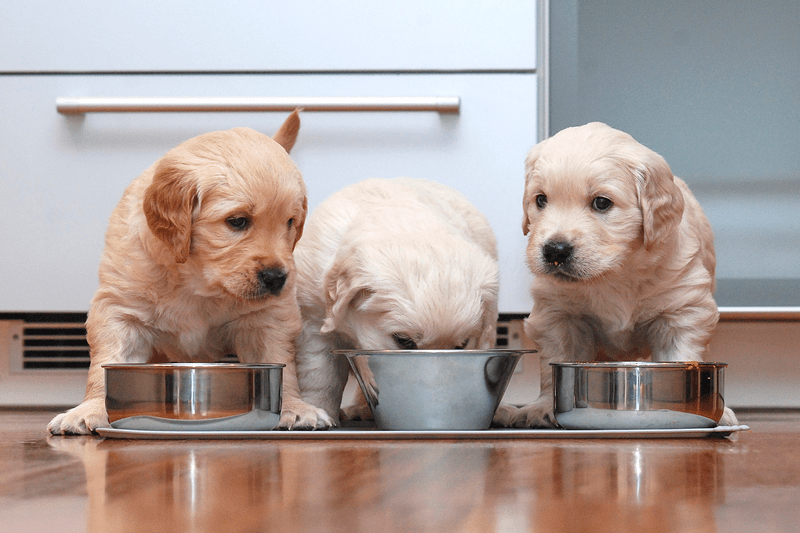
Potty training can turn even patient owners into frustrated humans. But it gets easier when you understand timing and consistency.
Take your puppy outside:
Praise immediately after they go. Not five seconds later. Right in the moment. Puppies don’t hold memories long. Celebrate the exact behaviour.
This simple approach reduces accidents and speeds up housebreaking puppies dramatically.
Before diving into specific lessons, learn how your puppy communicates. They don’t speak English, obviously, but they speak plenty with their tail, ears, and eyes.
A wagging tail doesn’t always mean joy. Sometimes it means uncertainty. A lowered head can signal fear. A playful bow usually means “let’s have fun.”
Recognising this helps you teach the right way. If your puppy seems overwhelmed, you slow down. If they’re curious, you move forward. Training becomes a conversation, not a command.
Many new owners misunderstand crates. They think crates are confinement. But for dogs, crates feel like dens. Safe. Quiet. Protected.
Make the crate cosy with blankets and toys. Leave the door open initially. Let them explore. Feed meals inside. Create positive associations. Never use the crate as punishment.
A well crate-trained puppy grows into a calmer adult dog.
Puppies must learn about the world. New sounds. New people. New animals. New environments. This prevents fear in adulthood.
Introduce them gradually. A soft meet and greet at the park. Calm dogs they can interact with. Visitors offering treats. Gentle exposure helps shape confidence.
This is part of puppy behavior training, because behaviour isn’t just commands. It’s comfort with life.
Your puppy will pull. That’s normal. The world is exciting. But you can teach loose-leash walking with small steps.
Stop walking when they pull. Reward when they walk beside you. Keep sessions short. Puppies have limited patience. You’ll notice improvement within weeks.
Puppies learn best through play. Games like tug or fetch encourage bonding. Hide-and-seek teaches recall. Puzzle toys encourage problem solving.
Training becomes fun. Not work. And your puppy becomes eager to listen because they associate learning with enjoyment.
Here’s a human flaw that matters. Some days you won’t feel like training. Some days you’ll repeat the same command twenty times and wonder if your puppy is ignoring you on purpose. It happens. Puppies get distracted. They have off days. And so do we.
But consistency always wins. Small, daily sessions build success faster than long, occasional ones. Ten minutes a day can change everything.
People often make these mistakes:
All of these confuse your puppy. They’re trying. They just need clear, steady communication. If you stay patient, your dog learns faster.
Training isn’t about control. It’s about teamwork. When your puppy trusts you, they listen. When you understand them, teaching becomes joyful. Puppies aren’t looking for perfection. They’re looking for connection.
And when you master basic puppy commands, your bond strengthens naturally.
A puppy’s mind is like soft clay. Ready to learn. Ready to absorb everything. If you wait too long, habits set in. Some cute. Some… not so cute. Jumping on guests might look adorable at eight weeks, but less adorable when your dog hits forty pounds.
Starting early gives you a huge advantage. You build trust. You create routines. You teach your puppy that you’re the leader they can rely on. And you prevent behaviours that become bigger problems later.
Plus, early puppy obedience training makes your dog feel more secure. Rules don’t limit them. Rules help them understand their place in the family.
Ten to fifteen minutes works best. Puppies learn in short bursts and lose focus easily.
Begin as early as eight weeks. The earlier you start, the smoother the process becomes.
Stay patient. Reduce distractions. Reward small successes. Consistency is far more important than perfection.
This content was created by AI