

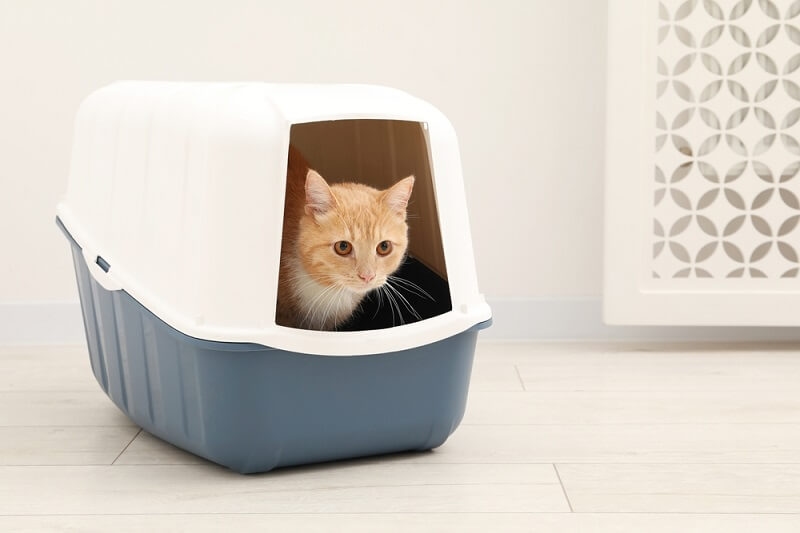
Cat litter box training is one of the first responsibilities new cat parents handle. Whether you're litter training kittens, dealing with litter box problems, or trying to refine cat bathroom training, mastering the basics helps you build a cleaner, calmer home environment. Successful cat litter box training gives your pet confidence, supports their instincts, and prevents long-term behavioral challenges. The sooner you start teaching cats litter box habits, the smoother this transition goes.
Cats are originally clean animals, making their training to the cat litter box way easier than other pet training. By instinct, cats bury their waste; therefore, they instinctively know that they are supposed to. However, Cat owners need to set up a safe environment for their cat, including a consistent routine, in addition to providing them with the correct litter.
Training kittens to use the litter box at a young age creates a positive experience between the owner and the kitten. In addition to promoting a clean environment, litter training also helps to eliminate problems associated with the litter box in the future.
For effective litter box training, it is necessary to understand the behaviour of cats. Cats are solitary animals who enjoy being in a quiet environment. Therefore, when litter box training your cat, it is essential to set up a calm and accessible space where they will have long-term success.
Start cat bathroom training by creating a no-distractions area where your cat can become familiar with the litter box without stress. Use unscented litter first, as cats rely heavily on scent, and strong fragrances can induce avoidance behaviors.
These steps will prevent many common litter box problems and will make learning easier.
Location is everything. The litter box should be placed in an area where your cat feels comfortable but not excluded. Steer clear of high-traffic areas and noisy appliances. When it comes to litter training kittens, ease of access is key-they should never need to climb stairs or traverse an intimidating space to get to the box.
One of the most important aspects of cat litter box training is selecting the appropriate box. Small, tight, or enclosed boxes may make your cat avoid using them more than you expect, particularly in larger breeds. For that matter, a good rule of thumb would be to size up the box to 1.5 times the cat's body length.
Doing so helps you match your box to your cat's comfort, avoiding frustration and future litter box problems.
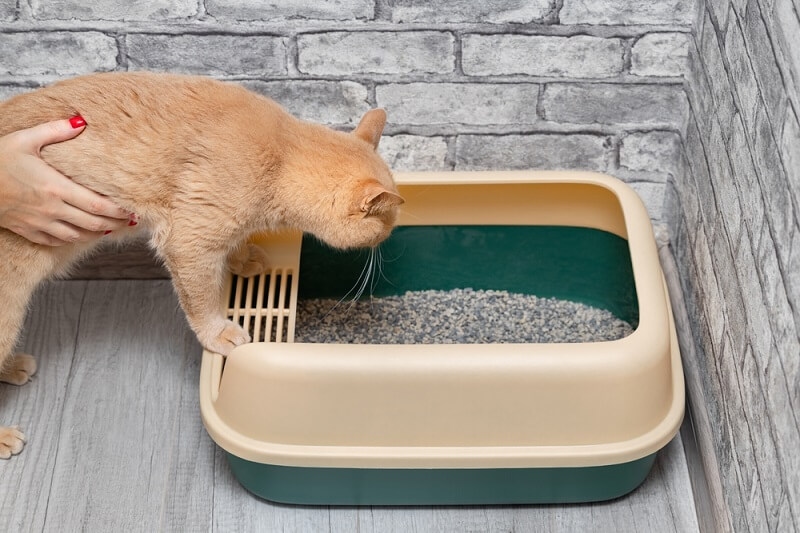
The litter itself plays a major role in teaching cats litter box routines. Cats have preferences, and ignoring those can result in the refusal of litter boxes.
Begin with unscented clumping litter unless your veterinarian recommends otherwise. The majority of litter box issues have their root in a cat's aversion to the odor or feel of its litter.
A clean box helps eliminate odor, ensures hygiene, and encourages regular use. Cats may refuse a dirty box, leading to eliminating outside the box.
Consistent cleanliness is one of the simplest solutions for litter boxes and reduces the risk of health issues.
Litter training kittens is not as difficult as most people would imagine. Cats learn from an early age by example from their mother. Kittens separated from their mothers at an early age or found in shelters often need more guidance.
Scolding when the kitten makes a mistake is never appropriate; it is all about redirecting and consistency.
Even well-trained cats sometimes have a problem with the litter box. Knowing the reason helps you find quick, long-lasting solutions to litter box problems.
Reinforcing with positive behavior is the best method while teaching cats litter box habits. Cats are best trained by soft, gentle encouragement.
Avoid yelling or punishment-it backfires and worsens litter box problems. Consistency and encouragement create reliable routines.
Some issues do require professional help, especially if your cat suddenly starts acting differently. Your cat might strain, cry, or even avoid the box completely, in which case a visit to the vet is due. In persistent cat bathroom training challenges, experts in behavior can also come in handy.
Long-term success relies on providing stability and comfort to your cat. A correctly housebroken cat will offer you a friendly, clean, and odor-free home.
Helping cats develop their instinctual behaviours by reinforcing these undertakings through these continued practices will help ensure that future issues associated with litter box use will be minimized.
By providing your cat with the tools to effectively master the training of their litter box, it will be part of being responsible for having a happy, well-adjusted, and fit cat. Training your cat daily, providing for your cat's litter box needs, correcting continuous improper use of the litter box, or just beginning the training of your kitten, will be based on your continued consistency and understanding of your cat's needs.
In turn, with reliable routines and the right litter box solutions, your cat will be happier, more independent, and fully comfortable in your home.
Litter training intends to teach cats the proper way to behave using their litter box, making it less messy to clean and therefore less stressful for the cat owner and the cat, paving the way for longer-term clean and good behavior.
Kittens should be litter trained as soon as possible after eating by placing them in low-entry litter boxes. Keep the litter boxes close by so that the kittens know where they can find their bathroom, and do not use scented litters because scented litters are a turn-off to cats. It is essential that litter boxes are cleaned regularly so that the kittens have the best opportunity for learning.
Most litter box issues are due to either dirty litter, stress, medical problems, scented litter, or a problem with the location of the box. Since there are many reasons that cats avoid the litter box, it's especially good to know what might be making your cat unhappy so normal bathroom behavior can be returned to, and recurrence avoided.
Yes, by cleaning it more often, using unscented litter, having multiple litter boxes, and locating them in quiet areas. Minimizing stress and picking a type of box to which the cat is best suited can greatly enhance this behavior.
In the case of sudden cat bathroom training failure, exclude medical issues by visiting a vet, ensure the box is clean, reduce anxiety at home, and gradually reintroduce the training steps with consistency.
This content was created by AI