

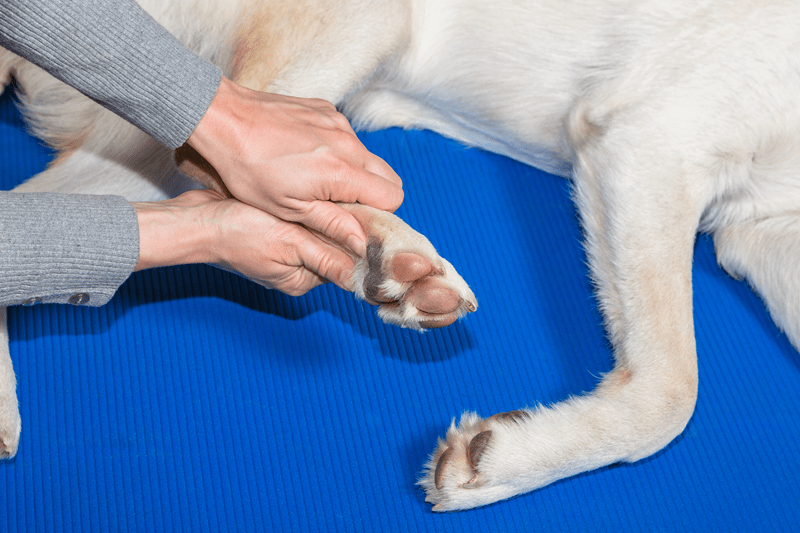
Arthritis would be considered among the most prevalent issues seen among senior dogs within the USA. According to research, at least 1 out of 5 dogs will display some form of arthritis. Of course, these numbers are bound to increase as dogs gain seniority. Whether your dog appears senior and no longer wishes to participate in physically demanding activities or seems apprehensive about jumping, there are steps that can be implemented to help your dog lead an active life.
This ultimate canine arthritis relief guide addresses known science-backed methods for arthritic dog joint pain relief and arthritis symptoms dogs, as well as insights on successful cooperation with your vet for dog arthritis relief at home. The objective here is for dog owners across the United States to be educated on what will and will not work so they can successfully treat dog arthritis.
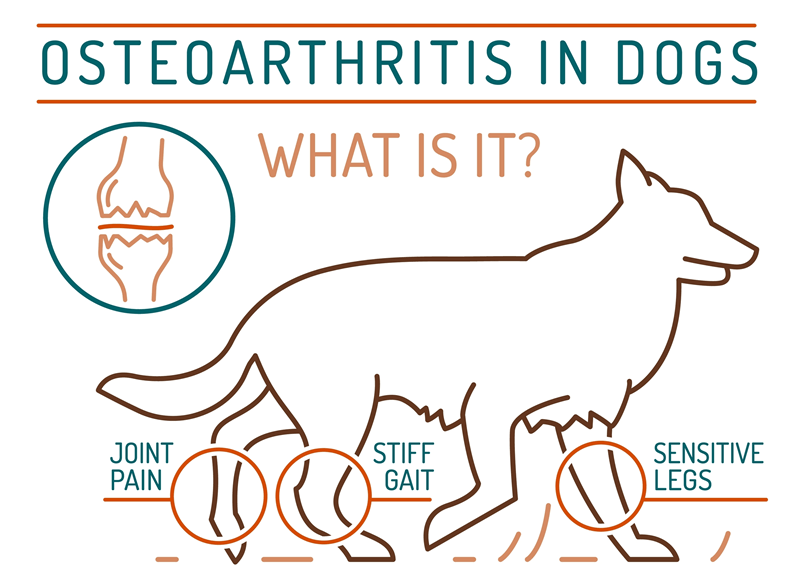
Arthritis signifies an inflammation involving a joint. It commonly occurs because an individual may have osteoarthritis. Arthritis suggests an aging process involving decomposition of cartilage within joints, with aging, making bones rub against each other because of decomposing cartilage.
All breeds and varieties of dogs can be susceptible to developing arthritis, but it can be made more likely due to factors like genetics and size. Because it develops so evasively, a common challenge and experience dog owners have had with it is not realizing it before their dogs’ mobility has been drastically reduced. It would be very helpful to know common arthritis symptoms dogs.
Early diagnosis will enable you to take active steps towards ensuring your dog receives necessary care and treatment for arthritis. You need to be vigilant about looking for these symptoms of arthritis in dogs:
If your dog displays any of these, it could be suffering from mobility issues. Arthritis may not be totally eliminated, but there are methods for dog arthritis treatment that will significantly postpone it.
Arthritis is a progressive disease; therefore, it progresses with time if it is not controlled. Early intervention helps in preventing and controlling arthritis because it:
Due to the fact that dogs do not express pain as humans do, it may be necessary to evaluate any amount of lameness. Early intervention with the most efficient methods for dogs with arthritis will offer maximum advantage and greatest lasting functionality.
Below are some of the most reliable and effective ways of coping with canine arthritis relief treatment. These tips and tricks combine some tried and trusted modes of treatment, as recommended by vets, with some home remedies.
A large percentage of dogs in the U.S. are also obese, and even a mild amount of excess weight can be a significant burden on joints that are already inflamed. Weight loss can be an extremely beneficial practice for your dog as a source of relief for arthritis.
Benefits include:
As for mobility issues in dogs, weight control will normally bring faster results than using medication.
Below are some common dietary supplements recommended and suggested by vets that help with cartilage repair and have anti-inflammatory properties. Some of the best ways to treat arthritis in dogs are using Glucosamine. All these components are indispensable for lubricating joints. Also, they help in preventing cartilage breakdown. All these compounds are common ones that are included in arthritic treatment schedules for dogs.
It should be done with consistency, even with the use of supplements, which will soon start seeing efficient improvements within a couple of weeks, and they are among the most reliable methods for arthritic dogs.
Veterinarians might prescribe some medications that would bring immediate relief. These would include:
It’s absolutely necessary that you have a plan with your vet for your dog’s daily drug usage.
Professional physical therapy sessions have become very common at U.S. animal centers. The targeted exercise sessions help improve muscle strength surrounding joints.
Common therapies include:
Light exercise done daily can’t be emphasized highly enough as a method for your arthritic dog because a sedentary life can accelerate its progress. Several short walks would be better for your dog than fewer but more exhausting ones. Avoid engaging your dog in exercises that seriously affect joints, such as jumping, running on concrete, and turning.
Small changes at home can make a big difference for dogs with mobility issues. Reflect on these factors:
To make matters pertaining to your dog’s arthritis treatment more successful, it will be very supportive if you encourage your dog’s comfort.
Dog owners have resorted to alternative methods for treatment because they want some extra form of relief. It should be noted that these methods of treatment are not an alternative form of remedy but have considerably helped with relieving dog arthritis.
Dog therapies could be a great source of assistance for dogs with serious mobility issues.
A diet that contains plenty of anti-inflammatory foods may be very useful for relieving symptoms caused by inflammation. Foods that can be added to an anti-inflammatory diet include:
Avoid excessive consumption of carbohydrates and processed food that can accelerate inflammation. Nutrition is an extremely influential factor for tackling pain and overall treatment for dogs with arthritis.
Having muscle mass will counteract weaker joints. Losing muscle mass will exacerbate problems with dog movement. It is essential that muscle mass be maintained with restricted and easy exercise.
Functions that assist:
These exercise activities have fewer effects on joints and help improve flexibility.
Arthritis requires constant dog arthritis treatment. Regular consultations with your vet will help ensure that your dog’s arthritis treatment plan is working as it should, because there are changes that occur with time. Your vet will be able to:
The best possible outcome for your dog’s arthritis can be achieved with regular and consistent care.
It is an irreversible disease, but it can be controlled. Arthritis affects many dogs in the United States, and they have lived healthy and happy lives. By combining medication and supplements, as well as diet and exercise, and considering certain factors, there is a huge possibility for pet parents to improve dog joint pain.
It needs an optimal multi-faceted approach and an early intervention strategy. These methods have been proven successful in providing relief for inflammation, improving movement, and serving a variety of needs for dogs with arthritis. Whether your dog is just beginning with arthritis symptoms in dogs or has serious mobility issues, there isn’t a better time than today to start treating your dog's arthritis.
A healthy start might be a checkup with a vet. Follow-up care for dogs with arthritis would then be weight management, dietary supplements, and NSAIDs.
Arthritis symptoms in dogs include stiffness, limping, being unable to stand, and reduced activity. A physical exam and X-rays will help identify arthritis in pets with the help of a veterinarian.
Arthritis, as a health issue, cannot be totally eliminated. However, there are methods for treating arthritis in dogs for a very long period.
This content was created by AI