


Keeping your pet in good health should be one of the most pleasurable things you get to do as a pet parent. Now, a good number of pet owners have become conscious of the significance of preventing pet obesity to be able to talk about long-term wellness.
Pets are highly dependent on us to make decisions that will keep them safe from health risks that are easily avoidable. This step-by-step guide provides information on easy ways to keep a healthy pet's weight.
Simple measures taken at home can help your pet maintain a healthy weight and make it less likely for medical problems to arise from this in the future.
Any healthy plan will start with knowing the current situation of your pet. Most of the owners are shocked when they are told that their pets are heavier than they had initially assumed. The first thing you can do is to examine your pet’s figure and softly rub the rib area. If the ribs are very hard to find, it may already be a case of weight gain.
Weigh your pet at home using a scale or get the weight at the vet’s clinic. Keep a simple weight chart. Checking changes every few weeks gives you the opportunity to change your routines before small problems turn into big ones.
A vet is the best counsellor regarding the proper management of pet weight. They can assess your pet’s metabolism, activity requirements, and potential health problems. Some overweight pets are due to aging, underlying diseases, or hormonal imbalances. Besides that, a vet will aid you in figuring out the needed calorie intake and advise you on the proper diet.
Checkups on a regular basis help in preventing pet obesity and are less complicated and straightforward. In case your pet is in need of a special diet or controlled portions, a vet-approved plan will be the safest way to make progress.
One of the simplest ways to keep a pet’s weight at a healthy level is to manage its food portions. Without many owners realizing it, they tend to overfeed their pets. To make feeding simpler:
These little things can be the building blocks of a strong routine for pet diet control. You limit the possibility of being the unknowing cause of the pet obesity problem when food is measured.
Animals respond very well to being treated the same way. A scheduled routine not only helps regulate appetite but also reduces the amount of begging and establishes clear expectations. Eating at the same time every day also stops emotional eating and snacking in between meals.
Free-feeding should especially not be allowed for cats, as that is a way of encouraging overeating that makes pet obesity prevention more complicated. If there are different members in your family who are responsible for feeding the pet, make a chart so that meals are not accidentally doubled. The change in itself can do a lot in the improvement of pet weight management.
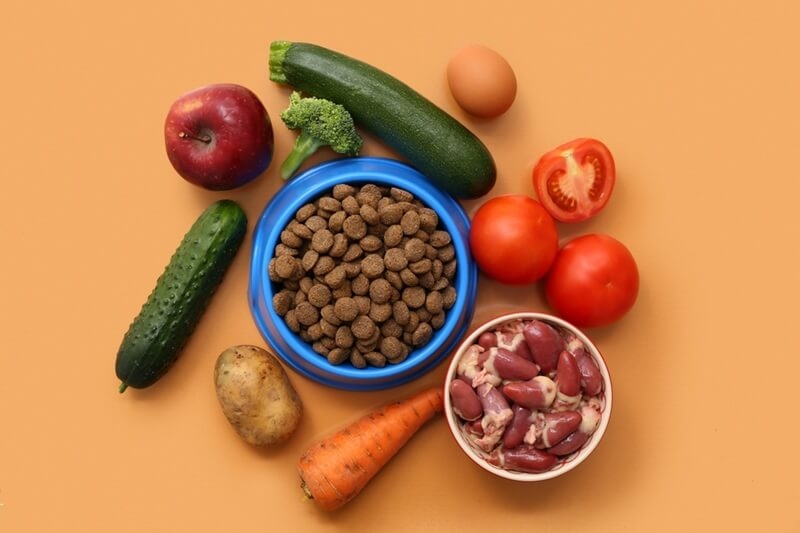
Most of the time, treats are the reason why pets are happy, but at the same time, they are also the major source of extra calories for them. Instead of removing all the treats, you can regulate them wisely:
Even by making small changes, you can prevent pet obesity to a great extent. In addition, those rules for healthy treats will also help pets keep a more stable energy level and, at the same time, have a more balanced mood.
Exercise should be a major component of any healthy weight program for pets. Pets do not require an intense workout; the burning of calories may be facilitated by short play sessions scattered throughout the day.
For instance, dogs can be taken for a walk daily to get their exercise needs met, whereas cats can get their exercise by playing with toys that simulate hunting. Physical activity builds strong muscles and makes a pet less likely to be overweight, which is unfortunately a growing trend in most households.
Mental exercise can be a huge factor in reducing the amount of stress eating that a pet does, and hence keeps the pet’s motivation at a good level. There are many simple ways through which enrichment can be added:
All these activities lead to more efficient pet weight management, while at the same time, they make the daily routines more fun for both you and your pet.
Being consistent with the monitoring is the main factor of success in pet obesity prevention in the long run. Make it a habit to weigh your pet every week and check the body shape once a month.
Moreover, tracking results acts as a motivation tool since you will be able to see the improvements over a certain period. The increased energy levels, improved mobility, and good behavior are some of the signs that your pet is moving towards a healthy weight, though you still have to be vigilant.
The moment your pet attains the right weight, keep up with the habits that you already have in place. There is a tendency among owners to fall back into old routines gradually, and before they realize it, the pet is again slowly gaining weight. The long-term control of pet diet, regular exercise, scheduled feeding, and routine vet check-ups will keep your pet safe from the risks of the future.
Consistency is the key to giving your pet a better and longer life that is full of comfort and energy. Your commitment is thus very instrumental in the prevention of pet obesity from one year to the next.
Everything that is greatly important for the health of pets, which later determines their living quality, can be done at home with little effort and simple steps. A healthy pet's weight leads to the companion getting better mobility, a stronger heart, becoming more cheerful, and living a longer, happier life.
Each small action you take adds up in the long run and results in a healthier future for your pet, making pet obesity prevention an easy-to-do daily routine, which brings its own rewards.
Check if there is a visible waist and ribs that can be felt without much effort. If your pet's ribs cannot be felt because they are covered with fat, then your pet might be overweight.
A weekly weigh-in accompanied by a monthly body condition check is a good system for tracking progress and also providing support for healthier routines.
Certainly, a few short play sessions, climbing toys, and interactive games can keep indoor pets in good shape and full of energy.
Yes, but in such cases, small, low-calorie treats should be used, and they should be counted as part of the daily calorie intake.
This content was created by AI