

Handling a pet with special health requirements can be quite a challenge and may easily make you feel helpless, especially if the health condition is diabetes. The majority of cat owners are unfamiliar with this disease and tend to be anxious that they won’t be able to provide the necessary support.
With the right way, your cat can still lead a relatively normal and joyful life after the diagnosis. This manual provides information on everything from first comprehension of the problem to long-term management through daily routines.
An initial step of learning helps to realize what diabetes means for a pet. Diabetes in cats is a situation where the body is not using or is not producing insulin in the right way. Insulin is the hormone that moves sugar from the blood to cells. When this does not take place, sugar starts accumulating in the blood, which eventually leads to many different medical problems.
Mostly, cats end up having a disease that closely resembles human Type 2 diabetes, in which insulin sensitivity is lowered. Knowing how the illness is structured is the main thing in a good cat diabetes management plan since it empowers the owners to make better decisions concerning the pet’s daily care.
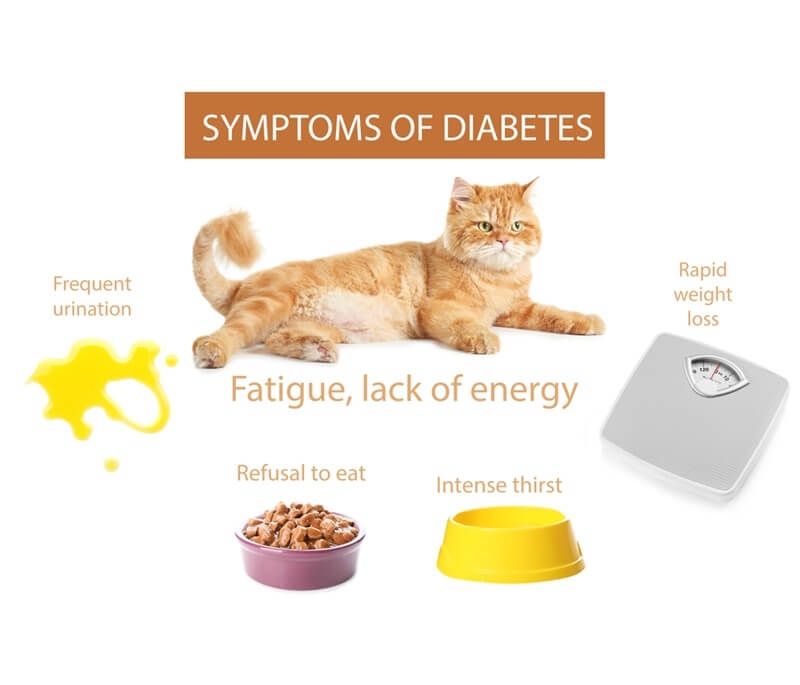
The act of recognizing changes early is very significant in managing diabetic cats, as it allows quick interventions. Most cats have the same symptoms, but in some cases, the signs develop gradually and may be regarded as common aging at the outset. Familiarizing yourself with these cat diabetes symptoms leads to faster diagnosis and easier treatment implementation.
You can find several of these changes in combination; it would be wise to foster a vet visit. A timely start to the treatment process via the vet will ease a lot of the challenges of living with diabetic cats, and this will particularly be the case when therapy is free from complications.
A vet, on receiving a patient, will decide to do blood tests and, in some cases, urine tests to confirm a diagnosis of diabetes. The aim of such tests is to identify blood sugar levels and provide data on the advancement of the disease. Post-confirmation, a vet draws up a personalized therapy program for a cat.
Generally, cat insulin treatment becomes the component around which their animal care revolves. It is normally a couple of times per day, a brief injection that delivers the insulin mixture. Many pet owners hesitate to provide their pets with injections, and most of these owners later admit that it was much easier than they had thought.
The diet is considered one of the most powerful weapons in fighting diabetes in cats. Properly chosen food is able to regulate blood sugar and also help to keep the cat fit and its body free from any other diseases. The veterinary doctors are likely to prescribe diabetic cats to eat highly nutritious meals that are rich in protein and low in carbohydrates.
Such meals will be sufficient to provide the energy required by the body without causing the blood sugar to spike rapidly. Treats should be given sparingly, and proper ones should be selected. Never give treats that contain sugar, corn syrup, or high-carb ingredients. Instead, opt for freeze-dried meat treats or grain-free treats that are safe for cats. Creating a feeding schedule that is set makes the timing of cat insulin treatment easier, and one can easily monitor the cat's response to food.

After your vet gives the green light, it is time to establish a daily routine. Consistency is definitely one of the biggest factors that contribute to the success of the care of a diabetic cat. Feeding, insulin injections, and playtime are things that cats benefit from if they happen roughly at the same time every day.
Below are some of the habits that will make cat diabetes management easier and more effective:
These rituals not only give your cat a sense of security but also make it easier for you to detect the changes, which is very important when you have diabetic pets to take care of.
Monitoring provides information about the effectiveness of the treatment plan. A lot of pet parents opt for glucose meters that are made for animals and can be used at home. These compact gadgets allow you to determine the sugar levels in the blood from a very small blood drop. The vet will instruct you on how to operate the meter and the frequency of the tests.
Keeping a log of the results, either in a notebook or an app, will help you realize the patterns. You will be able to communicate the times when levels of sugar are extremely high or low to the vet, well before the situation gets worse. Such attention is necessary for good feline diabetes control and contributes to better long-term outcomes.
Diabetes may even behave differently over time, despite having a well-established routine. There are some cats that would require more insulin, while others require less. Sudden loss of appetite, behavioral changes, and unusual sleep patterns are some of the signs that indicate modification may be needed.
Never attempt to change doses on your own; instead, consult your veterinarian. Wrong insulin amounts might bring about fatal situations. Visiting the doctor regularly will enable him/her to alter the plan in a safe way and also to avoid complications.
If a person takes good care of themselves, then diabetes will be no problem for them. However, if one does not take care, then serious problems will follow. For example, neglecting diabetes can lead to nerve damage or infections; dehydration; and a dangerous condition called diabetic ketoacidosis.
Being vigilant about new signs of diabetes in cats and strictly following veterinary instructions helps a lot in lessening such risks. Proper diabetic cat care routines, stable diets, and regular glucose testing are some of the precautions that make complications unlikely.
Along with the health problems, your pet's emotional state might also change. Cats may get nervous when faced with unfamiliar situations, such as new routines or check-ups. Try giving your cat some extra love, prepare a snug place for his/her rest, and try to keep the area quiet. Play that is gentle and time spent together will be a source of security for your cat.
Many owners are not aware of the great importance emotional support has in the lives of diabetic cats. A calm cat will most probably react positively to the treatment and have stable blood sugar levels.
Sometimes, diabetes in cats might seem like a serious case that is hard to handle, but actually, it is doable with a proper guide. Success in managing diabetes in cats just requires one to be consistent and attentive to the cat’s needs.
Remember that feline diabetes is not the end; it is merely the beginning of more loving care and a deeper bond with your precious companion.
Diabetic cats can live a fairly normal life if they are given the right treatment, kept on a consistent routine, and get regular check-ups.
Cats are given insulin two times a day. However, the vet will tell you the exact time depending on the condition of your cat.
Typically, a diet high in protein and low in carbohydrates is recommended. However, the best results will be obtained if you adhere to the instructions given by the vet.
Yes, some cats are capable of going into remission, especially when treatment is initiated early and the diet is strictly controlled.
This content was created by AI