

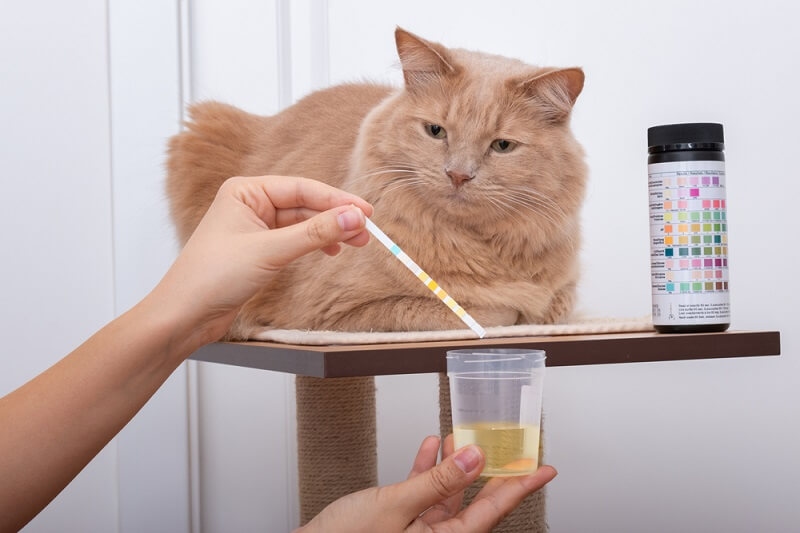
A cat's urinary tract infection is one of the most distressing experiences for felines and their pet owners. Early signs of UTI in cats, along with other feline urinary problems, usually appear subtly but can become serious if left untreated. Among the early symptoms, a pet parent may observe their cat showing distress in the litter box, which may be an indicator of a cat bladder infection. Understanding early cat urinary symptoms is vital in the effective treatment of cat UTI issues and in preventing complications that might threaten your cat's health.
The factor that makes them prone to urinary complications are constant grooming habits, small urethral size, and stress-related inflammation. UTIs in cats are more often than not triggered by the following:
Since the majority of feline urinary tract infections develop quietly, many owners will often overlook the early signs until the cat shows discomfort, is vocalizing a lot, or is staying away from the litter box. Learning to recognize the earliest changes helps you prevent your pet from suffering due to worsening feline urinary problems.
The first significant step in safeguarding your cat's health is to recognize the symptoms of cat urinary ailments early.
Symptoms of UTI in cats are often behavioral. Watch for:
Overlapping many of these symptoms are other feline problems of the urinary tract, but they should, nonetheless, be cause for a vet visit. A cat urinary tract infection may quickly progress to more serious bladder inflammation and pain, and even to life-threatening urinary blockage in male cats.
A bladder infection in cats usually occurs when the bacteria move upwards through the urethra and then reach the bladder. However, bacteria are not the sole cause that creates this issue. Feline Urinary problems can also be caused by:
Therefore, cats on dry food with limited water intake have an increased risk of a feline urinary tract infection because concentrated urine can support the more easy bacterial and crystal development.
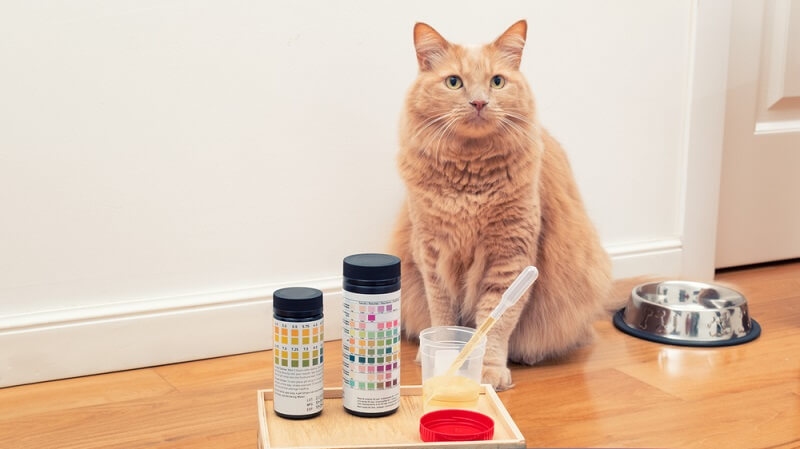
Diagnosis of a cat urinary tract infection requires more than symptom observation. Veterinarians run several tests to determine the exact cause of UTI in cats:
These tests pinpoint the presence of bacteria, crystals, inflammation, or stones that could be causing the infection within the cat bladder. In the absence of proper testing, it cannot be determined which approach is appropriate for the cure of feline UTI conditions.
Early intervention is the most critical step in treating UTI cases. The longer a cat's urinary tract infection has gone without treatment, the harder it is to resolve. Treatment may include :
If the infection of the cat's bladder is due to crystals or stones, surgery may be required, or even flushing of the bladder performed by a veterinarian. In male cats, any indication of blockage of the urinary system must be treated as a medical emergency because it can progress to death or kidney failure within days.
Home remedies alone can't cure infections of the cat's urinary tract, especially bacterial ones. They can support recovery along with the treatment by the vet. Safe supportive steps include:
However, any concerns must be checked by a veterinarian and should never be delayed. Cats hide their pain quite naturally, and any minor infection can quickly turn acute.
Prevention plays an important role in avoiding UTI in cats. That includes:
Because a cat's urinary tract infection can recur, long-term prevention is essential for reducing repeated feline urinary problems.
Cats do not naturally drink as much water per animal as a dog does. Their ancestors obtained the moisture from their prey, not from a water bowl. Today's indoor cat, who is fed dry kibble, can become dehydrated quite easily, and this concentrated urine increases the chances of a cat bladder infection, along with other feline urinary problems.
Hydration might not cure an infection of the cat's urinary tract, but it will play a huge role in reducing future outbreaks.
Cats are sensitive animals. A minor change in the environment may induce feline urinary problems. Stress-induced cystitis is very common and presents symptoms similar to a UTI. A stressed cat may exhibit:
It reduces stress, thus allowing the healing of a cat's urinary tract infection and preventing repeat cat bladder infection issues.
Seek emergency care if your cat has any of the following symptoms:
A blocked urethra, especially in male cats, is life-threatening. It requires immediate treatment that could save your cat’s life.
Because a cat's urinary tract infection can get serious, one should never ignore the condition. To minimize long-term harm and keep your feline free from discomfort, you should be familiar with the following types of urinary problems, how to get an early diagnosis if your cat shows signs of any of these issues, as well as what treatments are available to help alleviate your cat's urinary pain. In addition, as soon as your cat shows any symptoms of urinary discomfort, you should be able to take steps to protect your cat from future occurrences of urinary discomfort.
Early symptoms include straining, crying when urinating, frequent attempts to urinate, and blood present in the litter box. These are all symptoms that warrant immediate veterinary attention.
No, rarely does a UTI resolve in cats without treatment. Infections in cats, especially males, can rapidly deteriorate if left untreated, resulting in severe complications involving either the bladder or kidneys.
A cat with a bladder infection is diagnosed by the vets using urinalysis, culture tests, blood work, and imaging to determine whether the urinary symptoms are brought about by bacteria, crystals, or stones.
Wet food, hydration-rich diets, and prescription urinary-support formulas help lower urine concentration and reduce the risks of recurring feline urinary problems and infections in cats.
While home care may support comfort, it is no substitute for proper treatment. Cat UTI treatment requires a correct diagnosis and medication provided by a veterinarian to ensure a complete recovery without complications.
This content was created by AI