

Most pet parents do the basics. Food. Walks. Grooming. Belly rubs. But teeth? Somehow that bit gets pushed to the bottom of the list. It feels small. Easy to ignore. Until one day your dog stops chewing their favourite treat or pulls away when you try to look inside their mouth. Suddenly, it’s a big deal.
That’s the thing about canine dental health. It’s quiet. Problems build slowly. And dogs are tough. They hide pain. Meanwhile, plaque gathers, gums redden, and bacteria party like nobody’s watching. By the time you notice, the damage might already be in motion. So yes, dental care matters. A lot.
When people talk about dog dental care, they’re not just talking about brushing. It’s a full routine that supports the mouth, gums, and teeth. It keeps plaque from forming. It stops tartar from hardening. And it keeps infections away from the bloodstream. Because, fun fact, dental issues can affect the heart, kidneys, and liver too.
Your dog doesn’t get to tell you, “Hey, something hurts.” So staying proactive is half the battle.
Before we get into solutions, let’s talk signs. Dogs often show subtle clues when something’s off with their teeth or gums:
Sometimes they eat on one side of the mouth. Sometimes they drop food while chewing. Sometimes they avoid crunchy treats. If any of these sound familiar, it might be time to act.
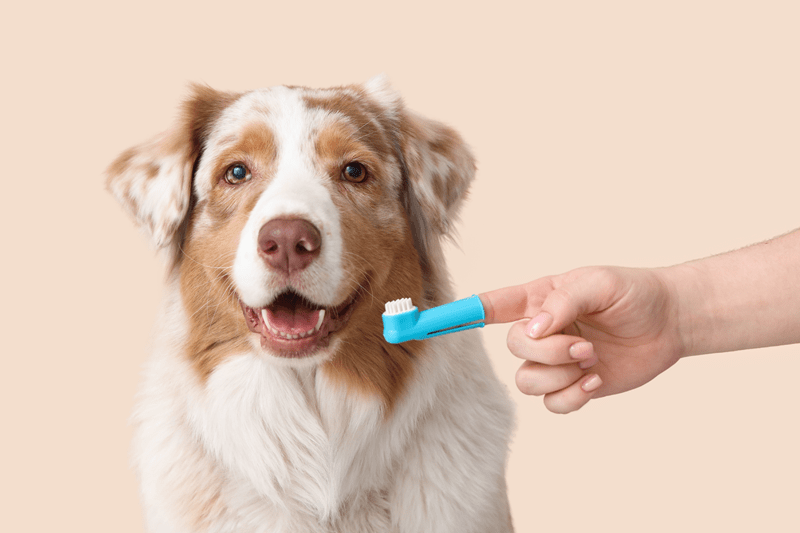
Brushing feels like a small habit, but it creates a massive difference. Ideally, you brush daily. Realistically, many pet parents brush three to four times a week, and that still works wonders. Use a soft brush. Use dog toothpaste, not human toothpaste. Your dog will thank you for it.
This simple routine supports dog oral hygiene and cuts down the risk of inflammation, pain, and long-term complications.
Dogs love chewing. It relaxes them. It’s natural behaviour. And with the right chews, it becomes a powerful tool for reducing plaque.
These items help scrape away buildup. It’s not a full substitute for dog teeth cleaning, but it’s a good friend to the main routine.
Just remember to choose safe, size-appropriate items. A chew that’s too hard can cause tooth fractures. A chew that’s too small can be swallowed. So pick carefully.
Some treats are made specifically for dental care. They freshen breath, reduce tartar, and encourage proper chewing. Look for airline-approved dental biscuits, vet-recommended snacks, and grain-free options if your dog has allergies.
These treats aren’t magic, but they do help with preventing dog tooth decay when used alongside brushing and professional care.
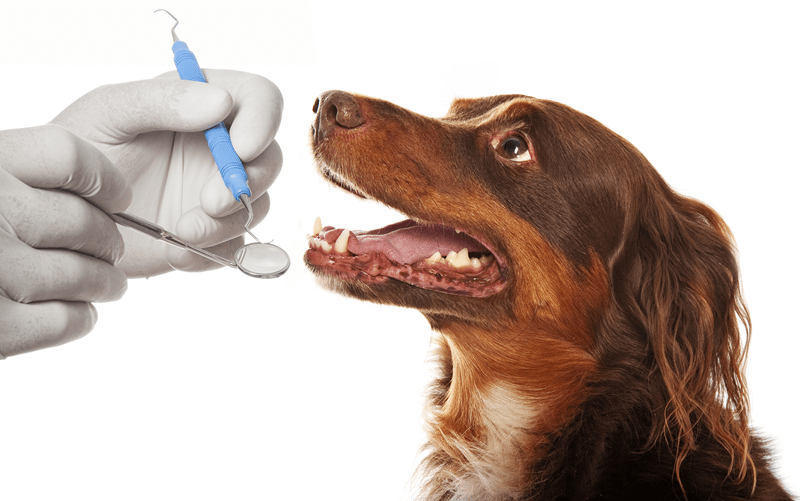
Even with home care, dogs still need professional cleanings. Vets clean under the gumline, remove hardened tartar, and check for hidden infections. It’s especially important for breeds with flat faces, like Pugs or Bulldogs, because their teeth sit closer together.
A professional cleaning once a year can dramatically reduce the risk of dog dental disease. It keeps the mouth fresh. It prevents painful surprises. And it helps your dog age comfortably.
Different dogs experience different issues. But a few problems pop up very often:
Early detection is everything. The more you understand your dog’s mouth, the easier it becomes to spot trouble early.
What your dog eats affects their teeth more than most people realise. Soft food tends to stick to teeth. Hard kibble creates light scraping that helps reduce buildup. But diet alone won’t solve everything.
If your dog eats lots of soft or sticky foods, brushing becomes even more important. Dental rinses can also support canine dental health by reducing bacteria growth between brushings.
A lot of pet parents skip brushing because their dog won’t sit still. Totally understandable. But with a little patience, even the wiggliest dog can learn.
Over time, brushing becomes a normal part of life.
Remember, dogs respond to calm voices, soft movements, and tiny rewards. Make it a bonding moment instead of a chore.
We joke about dog breath, but sometimes it’s more than just a smell. It can be a sign of infection or disease. If brushing doesn’t help, or if the smell gets worse over time, it’s worth checking with a vet. Persistent odour is often one of the earliest indicators of dog dental disease.
Just like humans, dogs go through different dental stages as they grow. Puppies start with needle-sharp baby teeth that fall out quickly, but that doesn’t mean their mouths don’t need care. Gentle brushing early helps them get used to the routine. It becomes normal instead of scary.
Adult dogs need more structured care because plaque hardens faster as they age. Skipping regular brushing during this stage often leads to tartar that refuses to budge without a vet’s help. And senior dogs? They need the softest approach of all. Their gums can be sensitive. Their teeth may loosen. Some even lose a few along the way, and that’s okay. The key is comfort, routine checks, and soft foods when chewing becomes tough.
Aside from brushing and chews, there are additional tools to consider:
Each one supports dog teeth cleaning in a slightly different way. Mix and match what works for your household.
Dogs thrive on routine. Once you create a weekly or daily schedule, everything becomes easier. Aim for a simple structure:
It doesn’t need to be complicated. Consistency beats perfection.
Most dogs need a cleaning once a year, but breeds with tight teeth spacing may need more frequent checkups.
Dental chews help, but they don’t replace brushing. Brushing removes plaque at the gumline where chews can’t reach.
Bad breath is often the earliest and most overlooked sign. If it worsens or persists, a vet visit is recommended.
This content was created by AI